Physical Address
304 North Cardinal St.
Dorchester Center, MA 02124
Physical Address
304 North Cardinal St.
Dorchester Center, MA 02124

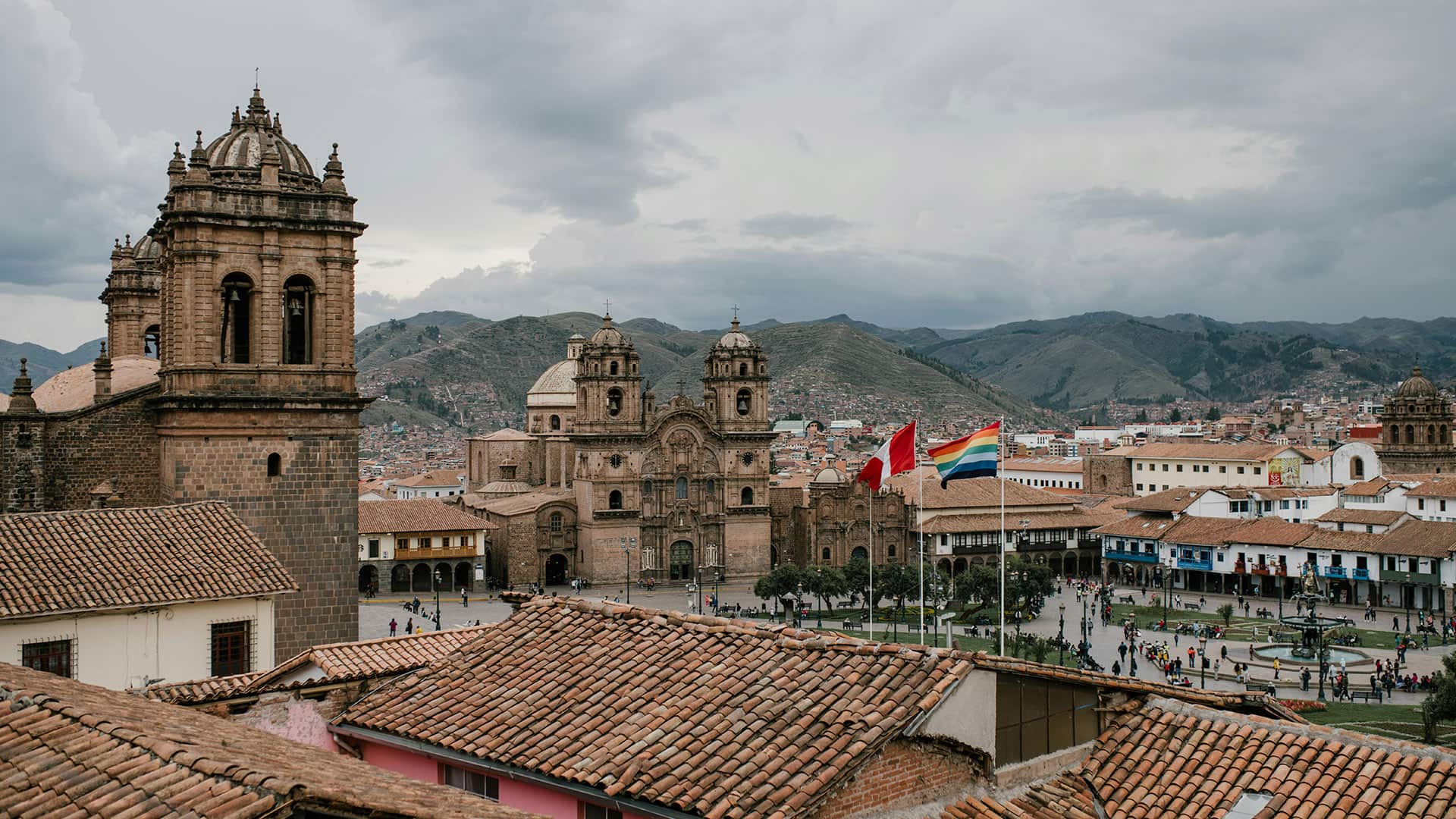
A practical 2 week Peru itinerary from a Lima-based expat. Day-by-day route, booking tips, and what most guides get completely wrong.
Most 2-week Peru itineraries are written by people who spent a fortnight here once. I’ve lived in Lima since 2022, and I’ve watched the same avoidable mistakes play out on every first-timer’s trip.
This guide is the itinerary I’d plan if a close friend called me tomorrow and said they were coming for two weeks. It covers the classic route — Lima, Cusco, Sacred Valley, Machu Picchu — plus a section on what I’d do differently, and an alternative route for people who want more than the standard loop.
| Days | Location | Nights |
|---|---|---|
| 1–3 | Lima | 2 |
| 3–7 | Cusco | 4 |
| 7–9 | Sacred Valley (Ollantaytambo) | 2 |
| 9–10 | Aguas Calientes / Machu Picchu | 1 |
| 10–11 | Cusco (return) | 1 |
| 11–13 | Puno / Lake Titicaca | 2 |
| 13–14 | Lima (departure) | 1 |
This isn’t the only way to do it. Scroll down for an alternative route that swaps Puno for Arequipa.
The thing most itineraries get wrong is altitude. Cusco sits at 3,400 metres. Machu Picchu is at 2,430 metres — lower, but you’re typically arriving from Cusco.
Most people feel fine for the first few hours after landing in Cusco, then get hit hard that evening or the following morning: headaches, nausea, complete exhaustion. The mistake I see constantly is flying into Cusco and heading straight to Machu Picchu the next day. You’ve given your body zero time to adjust.
Give yourself at least two proper rest days in Cusco before you do anything strenuous. That’s why this itinerary allocates four nights there.
Most itineraries give Lima one day. That’s a waste. Lima has some of the best restaurants in South America — Virgilio Martínez (Central), Gastón Acurio (Astrid y Gastón, La Mar), Mitsuharu Tsumura (Maido) all operate here — and rushing through it to get to Cusco is the single biggest mistake on a first trip.
Where to stay: Miraflores. It’s safe, walkable, and well connected to the airport (30–45 minutes by taxi). Barranco has more character but is further from everything practical.
Day 1: Recover from the flight. Walk the Malecón — the clifftop promenade running along the Pacific. Have ceviche for lunch at La Mar in Miraflores. Go early; it doesn’t take reservations and fills up fast.
Day 2: Spend the evening in Barranco. It’s a 20-minute taxi from Miraflores (around 15–20 soles). Walk the Puente de los Suspiros, browse the independent galleries on Avenida Pedro de Osma, and have dinner in the neighbourhood. This is the Lima most visitors miss.
Day 3 (morning): Fly Lima → Cusco. Flights take about 1 hour 20 minutes. Book with LATAM or Sky Airline at least 4–6 weeks ahead for reasonable prices.
Always fly this route. There is an overnight bus option. It takes 22 hours and climbs to nearly 4,500 metres in places. You will arrive exhausted, at altitude, having saved maybe £30. Don’t do it.
For a full breakdown of what to see and eat in the capital, see my Lima travel guide.
You’ll land in Cusco early afternoon if you take a morning flight from Lima. The altitude catches some people immediately. Others feel fine until evening. Either way: take it easy.
Day 3 (afternoon): Check in. Drink coca tea — ask your hotel for it, every place in Cusco has it. Drink water. Do not go to the market or climb any hills. Rest.
Day 4: Short, flat walks only. Stroll around Plaza de Armas. Walk down to Qorikancha, the Inca sun temple that the Spanish demolished to build a convent on top of — the original stonework that survived is extraordinary. Lunch somewhere along Calle Plateros. Keep your afternoon free.
Day 5: You should be feeling significantly better by now. Head to San Pedro Market in the morning — it’s a real working market used by locals, not a tourist performance. Afternoon: Sacsayhuamán, the Inca fortress above the city. It’s a 30-minute walk uphill from the Plaza, or a short taxi if you’re still feeling the altitude.
Day 6: Day trip into the Sacred Valley — Pisac ruins and Ollantaytambo. A guided tour is worth it here. Both sites benefit from context, and it saves you figuring out the combis (local minibuses). Pisac market runs on Sundays, Tuesdays, and Thursdays.
Altitude medication: If you want proper prevention, ask your GP about Acetazolamide (Diamox) before you travel. It works well. Ibuprofen helps with altitude headaches. Avoid alcohol on your first night in Cusco.
Where to eat in Cusco: Cicciolina on Calle Triunfo for dinner — book ahead, the upstairs room gets busy. MAP Café, inside the Museo de Arte Precolombino, for a more special lunch. Bodega 138 for something casual and excellent.
Move from Cusco to the Sacred Valley on day 7. Stay in Ollantaytambo, not Pisac. Ollantaytambo is the departure point for the train to Aguas Calientes — staying there saves a 1.5-hour drive on the morning you head to Machu Picchu.
The town itself is worth your time. The original Inca street grid is still largely intact, and the terraced ruins rising directly above the village are one of the better sites in the valley.
Getting there: Shared transfer or taxi from Cusco to Ollantaytambo takes about 1.5 hours and costs around $15–25 per person in a shared van from the Pavitos terminal.
Day 8: Full day in the Sacred Valley. Two good options:
Where to stay: El Albergue in Ollantaytambo is the classic choice — a small hotel built directly beside the train station, with excellent breakfast. It’s small and popular, so book well ahead.
Day 9: Morning train from Ollantaytambo to Aguas Calientes (officially called Machu Picchu Pueblo). The journey takes about 1.5 hours through increasingly dramatic gorge scenery. Both PeruRail and Inca Rail are fine — book in advance, particularly June to August.
After dropping your bag at the hotel in Aguas Calientes, head up to Machu Picchu that afternoon. I’d suggest going late — after 3pm — when the group tours have largely cleared out and the light changes. Entry is timed, so you’ll need to book a specific slot.
Day 10: Early morning session at Machu Picchu before the crowds build. Gates open at 6am. The morning light is better and you’ll have a noticeably different experience from the previous afternoon.
Two visits to the site in two sessions is considerably better than one rushed day trip from Cusco.
Return to Aguas Calientes mid-morning. Afternoon train back to Cusco.
Booking Machu Picchu tickets — this is critical: Buy in advance at the official government portal (machupicchu.gob.pe). During high season (June to August), tickets sell out weeks ahead. Circuit 1 covers the classic angles and is the right choice for first-timers. Huayna Picchu mountain — the steep peak you see behind the ruins in every photograph — has a very limited separate ticket allocation and books out even faster. Reserve it the moment your dates are confirmed.
One night back in Cusco. You’ve earned a proper dinner — Cicciolina if you didn’t make it before, or Jack’s Café for something low-key and reliable.
Use the evening to repack and sort your next leg.
Puno is a 6-hour journey from Cusco. The best option is the Titicaca Bus — also known as the “tourist bus” — which stops at Andahuaylillas church, the Raqchi ruins, and the La Raya mountain pass en route. It costs around $25–35, runs during daylight hours, and the stops genuinely add to the journey.
Is Puno worth including? Honestly: Puno town itself is not great. The surrounding area is what you’re there for.
From Puno, the main boat excursions go to the Uros floating islands — reed islands built and maintained by the Uros people, about 30 minutes from the dock — and Taquile Island, a longer half-day or full-day excursion with good views across the lake. The Uros islands are heavily visited but still interesting. Taquile is quieter and gives a better sense of life on the water.
If you’re already tired from the pace of the trip, you can substitute Puno for more time in Cusco or swap it for Arequipa (see the alternative itinerary below).
Fly back to Lima from Juliaca airport (JAU), which is 45 minutes from Puno by taxi. Alternatively: overnight bus from Puno to Cusco, then fly from there.
If you’re connecting through Lima to an international flight, give yourself at least 3–4 hours’ buffer. Jorge Chávez airport is manageable but international check-in queues can build up.
If you have a spare evening, go to Barranco — or back to La Mar if you want one final ceviche.
These things sell out. Sort them early, in roughly this order:
After three years here, this is what I’d tell every first-time visitor:
1. Spend at least 3 nights in Lima, not one. Lima is consistently underestimated by travel itineraries. Central was ranked the best restaurant in the world in 2023. The ceviche alone is worth a proper stay. Don’t rush through it to get to Cusco faster.
2. Always fly Lima to Cusco. The overnight bus exists. I have used it once. It takes 22 hours and crosses high-altitude passes. You will save some money and arrive exhausted at altitude. Not worth it.
3. Four nights in Cusco is the minimum, not a luxury. Most itineraries online allocate 2–3 nights. That’s not enough time to acclimatise and actually see the city. Four nights means two genuine rest days before you start pushing yourself physically.
4. Base yourself in Ollantaytambo for the Sacred Valley. Most people do Cusco day trips to the Sacred Valley, which means 3 hours of driving per excursion. Two nights in Ollantaytambo puts you inside the valley, five minutes from the train station, with far less transit time.
5. Book Machu Picchu tickets before you book flights. Check availability first. If you’re travelling in high season and your preferred dates are already full, you need to know that before everything else is locked in.
6. Two sessions at Machu Picchu beat one long one. One night in Aguas Calientes and two visits to the site — afternoon arrival and early morning — gives you dramatically different experiences. You’ll be glad you did it this way.
If you’ve already done Machu Picchu, or if Puno doesn’t appeal, this is how I’d reconfigure the two weeks:
| Days | Location |
|---|---|
| 1–3 | Lima |
| 3–7 | Cusco |
| 7–9 | Sacred Valley |
| 9–10 | Machu Picchu |
| 10–11 | Back to Cusco |
| 11–13 | Arequipa |
| 13–14 | Lima departure |
Arequipa is Peru’s second city and consistently underrated by standard itineraries. It sits at 2,300 metres — far more manageable than Cusco — and the old city centre is built from white volcanic sillar stone that gives it an appearance unlike anywhere else in the country.
Day trips from Arequipa worth doing:
Fly Lima → Arequipa (AQP), then Arequipa → Lima for your departure.
The figures below are approximate USD per person per day, excluding international flights.
| Style | Daily Budget |
|---|---|
| Budget (hostels, local food, public transport) | $50–70 |
| Mid-range (private rooms, mix of restaurants) | $120–180 |
| Comfortable (boutique hotels, better restaurants) | $250+ |
Where costs add up: The train to Aguas Calientes ($50–150 per person each way), Machu Picchu entry ($20–65 depending on circuit and time slot), and restaurants in Lima if you go for it.
Where you can save: Local combis for transport around the Sacred Valley (a few soles per journey), the menú del día at lunch (set menu for 15–25 soles at local restaurants), and staying in Ollantaytambo rather than the larger tourist lodges.
Best time to go: The dry season (May to October) is generally best for the Inca Trail and Machu Picchu — clearer skies and drier trails. The wet season (November to April) brings fewer tourists and greener landscapes but afternoon rain at Machu Picchu is common. For a full breakdown, see my guide to the best time to visit Peru.
Altitude sickness: Take it seriously even if you feel fine on arrival. Drink water constantly, avoid alcohol on your first night in Cusco, and take it slowly for the first two days. Coca tea genuinely helps with mild symptoms. If you’re prone to altitude problems, speak to a GP about Acetazolamide before you travel.
Currency: Peruvian sol (PEN). Cards are widely accepted in Lima and tourist areas. Carry cash for markets, smaller restaurants, and rural areas — particularly in the Sacred Valley.
Taxis: Use Uber or InDriver in Lima rather than flagging down taxis on the street. In Cusco, agree on a price before you get in. Your hotel can always arrange a reliable driver.
SIM card: Pick up a local SIM on arrival at Lima airport. Claro and Movistar both have good coverage. A month of data costs around $10–15 USD.
Two weeks in Peru is enough time to do the classic route properly — if you’re realistic about what “properly” means. That means enough time in Lima to actually eat well. Enough nights in Cusco to acclimatise before pushing yourself. And sorting Machu Picchu tickets before you sort anything else.
If you come back for a second trip — and most people do — that’s when you go deeper: the Amazon basin, the north coast ruins at Chan Chan, the Nazca Lines, the Colca Canyon. For a first visit, the route above covers what Peru does best.
How many days is enough for Peru? Two weeks is the minimum to cover the highlights properly — Lima, Cusco, the Sacred Valley, and Machu Picchu. Any less and you end up cutting corners that matter, particularly acclimatisation time in Cusco. Three weeks gives you room to add Arequipa, Puno, or the Amazon without feeling rushed.
How many days should I spend in Cusco? Four nights is the minimum I’d recommend. You need at least two days to acclimatise to the 3,400-metre altitude before doing anything physical. Most itineraries suggest 2–3 nights; that’s not enough time to actually feel well and enjoy the city.
Should I fly or take the bus from Lima to Cusco? Fly. The bus takes around 22 hours and crosses high-altitude mountain passes. You’ll save some money and arrive exhausted at altitude, which is the worst way to start the Cusco leg of your trip. Flights take 1 hour 20 minutes and cost $50–120 with LATAM or Sky Airline.
Do I need to book Machu Picchu tickets in advance? Yes — and earlier than you think. During peak season (June to August), tickets can sell out weeks ahead. Buy directly through the official government portal (machupicchu.gob.pe). Huayna Picchu mountain, the peak visible behind the ruins in most photographs, has a very limited ticket allocation and sells out even faster.
What is the best time of year to visit Peru for two weeks? May to October is the dry season and generally the most reliable time for the Inca Trail and Machu Picchu. June, July, and August are the busiest months — expect more crowds and higher prices. April and October are good alternatives: dry enough for hiking, quieter, and cheaper. November to March brings rain but greener scenery and fewer tourists.