Physical Address
304 North Cardinal St.
Dorchester Center, MA 02124
Physical Address
304 North Cardinal St.
Dorchester Center, MA 02124

Plan your Cusco trip with this practical guide. Where to eat, stay, and visit — plus altitude tips, day trips, and advice on what to skip.
Most people treat Cusco as a pit stop on the way to Machu Picchu. They fly in from Lima, spend a night adjusting to the altitude, and leave on the first train south. That’s a waste. Cusco is one of the most interesting cities in South America, and it deserves more than a single rushed afternoon.
This Cusco travel guide covers the main attractions, the best neighbourhoods, where to eat and stay, how to deal with the altitude, and how to plan day trips to the Sacred Valley and beyond. It’s written for first-time visitors who want practical, specific advice — not a brochure.
If you’re building a broader Peru trip, this guide fits alongside the Lima travel guide and the 2-week Peru itinerary already on this site.
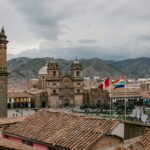
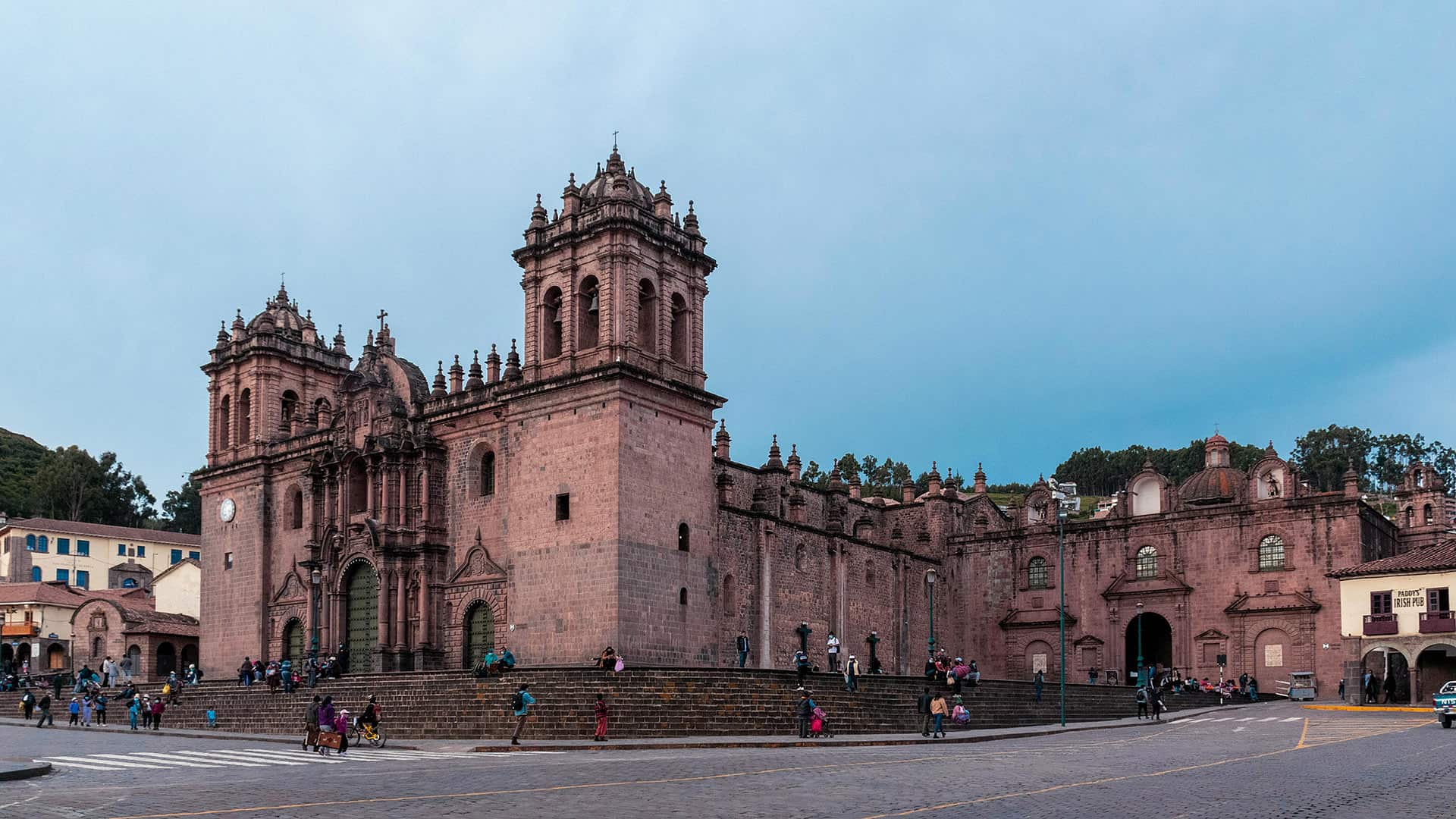
The Plaza de Armas is where everything starts in Cusco. It’s the city’s main square, flanked by the Cathedral and the Iglesia de la Compañía de Jesús, with stone arcades running along two sides lined with restaurants, travel agencies, and shops. Every road in the historic centre leads here eventually.
The square sits on what was once Haukaypata, the ceremonial centre of the Inca Empire. It was originally much larger — roughly double the current size — before the Spanish carved it up and built colonial structures on the Inca foundations. You can still see precisely cut Inca stonework at the base of several buildings along the surrounding streets.
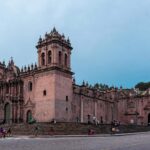
During the day, the Plaza de Armas is a good starting point for exploring the historic centre. The Cathedral (entry included with the Boleto Religioso, around 40 soles) is worth going inside — the interior is enormous, with paintings from the Cusco School including a famous Last Supper depicting Jesus and his disciples eating cuy (guinea pig). The Iglesia de la Compañía, on the southeast corner, has an ornate baroque façade that arguably outshines the Cathedral itself.
In the evening, the square lights up and the atmosphere shifts. The balcony restaurants overlooking the plaza are popular but overpriced — you’re paying for the view, not the food. For a drink with a view, they’re fine. For dinner, you’ll eat better and cheaper on the side streets.
Practical tips: The plaza attracts persistent touts selling tours, massages, and restaurant deals. A polite “no, gracias” is all you need. Pickpocketing happens here, especially during festivals and crowded evenings — keep your phone in your pocket and don’t leave bags unattended.
The largest Inca ruin near Cusco, set on a hill overlooking the city about a 20-minute steep walk (or 10-minute taxi ride) from the Plaza de Armas. The scale of the stonework is staggering — some blocks weigh over 100 tonnes and fit together without mortar, with joints so tight you can’t slide a piece of paper between them.
You need the Boleto Turístico (130 soles for the full circuit, or 70 soles for a partial one) to enter. Allow about 90 minutes to explore properly. Go in the morning — the light is better and it’s less crowded. The walk up from the centre is a good way to test your altitude adjustment, though take it slowly.
Qorikancha was the most important temple in the Inca Empire, dedicated to the sun god Inti. The Spanish built the Convent of Santo Domingo directly on top of it, and the contrast between the two construction styles is one of the most striking things you’ll see in Cusco — curved Inca walls of polished stone supporting a relatively crude colonial church above.
Entry is around 15 soles (separate from the Boleto Turístico). It’s a 10-minute walk from the Plaza de Armas, downhill on Avenida El Sol. Allow about an hour.
San Blas is the neighbourhood directly uphill from the Plaza de Armas — steep cobblestone streets, artisan workshops, small galleries, and quieter squares. It’s the area with the most character in central Cusco, and a good place to base yourself if you don’t mind the hills.
The Plazoleta San Blas is the neighbourhood’s main square, with the San Blas Church (home to an ornate carved pulpit considered one of the finest examples of colonial woodwork in the Americas). The streets around the plaza are full of small studios and shops selling ceramics, textiles, and jewellery — better quality and better value than the tourist shops on the main drag.
The walk from the Plaza de Armas to San Blas takes about 10 minutes uphill. Take it slowly — the altitude makes hills significantly harder than you’d expect.
San Pedro is Cusco’s central market, a few blocks west of the Plaza de Armas. It’s a working market — locals buy their fruit, vegetables, meat, and household goods here — with a section of food stalls serving cheap set lunches (menú del día) for around 8–12 soles.
The juice stands near the entrance are excellent. Ask for a jugo de naranja (fresh orange juice) or try lucuma or chirimoya if you want something more Peruvian. The food court area at the back serves hearty portions of soup, rice, and meat — basic but filling and about as local as eating gets in central Cusco.
For souvenirs, the textile and handicraft stalls at San Pedro offer better prices than the tourist shops around the plaza, though you’ll need to haggle.
A well-curated museum housed in a colonial mansion that was itself built on Inca foundations (a recurring theme in Cusco). The collection covers 3,000 years of pre-Columbian art from various Peruvian civilisations — Nazca, Moche, Chimú, Inca — and is presented clearly enough that you don’t need to be a history enthusiast to appreciate it.
Entry is around 20 soles. The café in the museum courtyard is a pleasant spot for a break. Allow about an hour.
Beyond Sacsayhuamán, the hillside above the city has three more Inca sites covered by the Boleto Turístico: Q’enqo (a carved rock shrine), Puca Pucara (a small fortified structure), and Tambomachay (a ceremonial water temple). Most organised city tours combine all four into a half-day trip.
You can visit them independently by taxi or on foot — the sites are spread along the road heading north from Sacsayhuamán, each about 10–15 minutes apart. A taxi for the full circuit costs around 40–60 soles with waiting time. On foot, allow a full morning and be prepared for altitude — Tambomachay sits at about 3,700 metres.
Cusco’s restaurant scene has grown significantly in recent years, and the quality at the top end is genuinely impressive. But the best-value eating in the city isn’t in the restaurants overlooking the plaza — it’s on the side streets, where you’ll find local restaurants serving a menú del día (a set meal of soup, main course, drink, and sometimes dessert) for 10–15 soles.
Walk two or three blocks from the Plaza de Armas in any direction and you’ll find small restaurants with chalkboard menus outside advertising the day’s set meal. These places serve solid home-style Peruvian food at a fraction of plaza prices. The quality varies, but if the place is full of locals at lunchtime, it’s a good sign.
The streets around the San Pedro Market are particularly good for this. Calle Cascaparo and the surrounding blocks have several no-frills places serving large portions of lomo saltado, ají de gallina, or seco de cordero for under 15 soles.
Morena Peruvian Kitchen (Calle Plateros) — generous portions of well-executed Peruvian classics. The chicharrón and lomo saltado are reliable.
Pachapapa (Plazoleta San Blas) — traditional Cusqueñan food served in a courtyard setting. One of the better places to try cuy (guinea pig) if you’re feeling adventurous. Book ahead for dinner.
Green Point (Calle Carmen Bajo) — a long-running vegetarian and vegan restaurant that’s popular with travellers. The set lunch menu is good value and the portions are large.
Granja Heidi — a small café-restaurant that’s been around for decades, serving simple, well-prepared food with a European-Andean mix. Good for breakfast.
Chicha (Calle Regocijo) — Gastón Acurio’s Cusco outpost, serving modern Peruvian food with Andean ingredients. The alpaca steak and the cuy are standouts. Not cheap, but the quality is high. Book in advance, especially in high season.
MAP Café — located in the courtyard of the Museo de Arte Precolombino in a glass-walled structure. Contemporary Peruvian food in an unusual setting. Pricier than Chicha but the atmosphere is distinctive.
The restaurants with touts outside and balcony seating directly on the Plaza de Armas are, almost without exception, overpriced and mediocre. They survive on foot traffic, not quality. If you want to sit overlooking the plaza for a beer or a pisco sour, that’s fine — just don’t expect a great meal.
The three main areas for tourists are around the Plaza de Armas, San Blas, and the streets south toward Avenida El Sol. Each has a different feel.
The most convenient location — walking distance to everything, with the widest choice of hotels. The trade-off is noise (the streets around the plaza are busy until late) and the fact that every tout and taxi driver knows where the tourist hotels are.
Hotels here range from backpacker hostels to converted colonial mansions. Selina Plaza de Armas is a reliable mid-range option in a central location. Palacio del Inka (a Marriott Luxury Collection property) is the high-end choice, housed in a building with Inca foundations and colonial architecture.
Quieter and more atmospheric than the plaza area, with a good mix of boutique hotels and guesthouses. The downside is the hills — everything is uphill from the centre, which is harder than it sounds at 3,400 metres. San Blas suits travellers who want character over convenience and don’t mind the walk.
Boutique hotels in Cusco’s San Blas neighbourhood include places like Casa San Blas and Antigua Casona San Blas, both small, well-run properties in converted colonial houses. For budget travellers, several good hostels in this area offer dorm beds with decent facilities.
This area is more functional — closer to the Qorikancha, bus terminals, and the train station for Machu Picchu services. It’s less charming than the historic centre but generally cheaper and flatter, which matters when you’re adjusting to the altitude.
Family-friendly hotels in Cusco tend to cluster here and around the plaza, where the streets are wider and more accessible. Novotel Cusco on Avenida El Sol is a practical option for families — modern, reliable, and with easier access than the narrow streets of the historic centre.
Prices vary dramatically between high season (June–August) and the rest of the year. In July, expect to pay double or triple the off-season rate for popular hotels. If you’re visiting during Inti Raymi (late June), book months ahead — the city fills up completely.
For the best value, book directly with smaller hotels and guesthouses rather than through aggregator sites. Many offer lower rates for direct bookings, especially for longer stays.
Cusco sits at 3,400 metres above sea level. This is high enough that most people arriving from sea level will feel the effects — headache, fatigue, shortness of breath, and difficulty sleeping are the most common symptoms.
The altitude catches people off guard because Cusco doesn’t look like a mountain city. The streets are busy, the restaurants are open, life is normal — but walk up a flight of stairs and you’ll be gasping. This is not a fitness issue. It affects everyone to some degree.
Take your first day easy. Don’t plan anything strenuous for the day you arrive. Walk slowly, drink water, eat light meals. If you’re arriving from Lima (sea level), the jump is significant.
Coca tea (mate de coca) is the traditional remedy and is offered at most hotels on arrival. It helps mildly with headache and nausea. It’s legal and widely consumed throughout the Andes — it is not cocaine.
Acetazolamide (Diamox) is a prescription medication that helps with acclimatisation. Consult your doctor before travelling. In Peru, you can buy it at pharmacies without a prescription (ask for “acetazolamida”), but get medical advice on dosage first.
Avoid alcohol on the first day. It worsens altitude symptoms and dehydration. The pisco sours can wait.
Most people feel significantly better after 24–48 hours. If symptoms are severe — persistent vomiting, confusion, blue lips — get to a clinic immediately. Cusco has several private clinics accustomed to treating altitude sickness in tourists.
If you’re flying into Cusco from Lima, consider spending a night or two in the Sacred Valley first (Ollantaytambo or Urubamba sit at around 2,800 metres — still high, but 600 metres lower than Cusco). This gives your body a gentler introduction to altitude before heading up to the city. Many 2-week Peru itineraries are structured this way for exactly this reason.
Enough to see the Plaza de Armas, Sacsayhuamán, Qorikancha, and San Blas, plus eat well and adjust to the altitude. This works if you’re on a tight schedule and heading straight to Machu Picchu afterwards.
Day 1: Arrive, rest, gentle walk around the historic centre and Plaza de Armas. San Pedro Market for lunch. Qorikancha in the afternoon. Early dinner.
Day 2: Morning visit to Sacsayhuamán and the four ruins. Afternoon in San Blas for shops and galleries. Evening dinner at one of the mid-range restaurants.
This gives you time for the city itself plus a day trip to the Sacred Valley (see below) or a cooking class. You won’t feel rushed, and you’ll have time to find the restaurants and side streets that make Cusco worth spending time in.
If you’re doing the Inca Trail, Salkantay Trek, or any multi-day hike, you’ll want at least two days in Cusco before the trek for acclimatisation, plus a day or two afterwards to recover and explore what you missed. Cusco rewards slow travel — the longer you stay, the more you find beyond the main tourist circuit.
Cusco is the gateway to some of Peru’s most impressive Inca sites. Several of the best are reachable as day trips, either independently or through organised tours.
The Sacred Valley of the Incas runs northwest from Cusco along the Urubamba River. The main stops are Pisac (impressive terraces and a popular market), Ollantaytambo (a massive Inca fortress and the departure point for trains to Machu Picchu), and Chinchero (a smaller town known for textile workshops).
Most Cusco day tours to the Sacred Valley combine two or three of these stops with lunch included, running from around 8am to 6pm. Prices range from 80–150 soles depending on the operator and what’s included. The Boleto Turístico covers entry to Pisac, Ollantaytambo, and Chinchero.
You can also do the Sacred Valley independently by colectivo (shared minivan). They leave from Calle Pavitos in Cusco for Pisac and Urubamba, and the journey takes about an hour. This is cheaper but requires more planning and flexibility.
The salt mines at Maras — terraced pools cascading down a hillside, still producing salt using methods dating back to the Inca period — are one of the most photogenic sites near Cusco. Moray is a set of concentric circular terraces believed to have been an agricultural laboratory where the Incas tested crops at different altitudes.
These two are usually combined into a half-day trip, either as a stand-alone tour (around 60–100 soles) or added to a Sacred Valley day tour. Entry to Maras is 10 soles (separate from the Boleto Turístico). Moray is covered by the Boleto Turístico.
A long day trip — typically departing at 3am and returning by early afternoon. The mountain’s striped, multicoloured mineral deposits make for impressive photographs on a clear day. The hike is moderate but the altitude is extreme (over 5,000 metres at the summit), and the experience can be miserable in bad weather.
Be honest with yourself about your fitness and altitude tolerance. If you’ve struggled with the altitude in Cusco (3,400m), Rainbow Mountain at 5,000m+ is a significant step up. Many travellers report that the reality doesn’t match the heavily filtered photos they’ve seen online. It’s worth doing if conditions are right, but it’s not essential.
A shorter and less extreme alternative to Rainbow Mountain. The turquoise glacial lake sits at about 4,200 metres — still high, but more manageable. The day trip follows a similar early-morning departure pattern. The hike from the drop-off point takes about 90 minutes each way.
The streets around the Plaza de Armas are lined with tour agencies, and touts will approach you with laminated price cards for everything from city walks to multi-day treks. Some of these operators are excellent. Others are middlemen selling cheap packages with poorly paid guides and no safety standards.
Inca Trail (4 days/3 nights): This must be booked through a licensed operator and permits sell out months in advance — especially for June, July, and August departures. Book at least 3–6 months ahead. Expect to pay $400–700 per person depending on the operator and level of service.
Sacred Valley day tour: A good way to see Pisac, Ollantaytambo, and Chinchero in a single day with transport and a guide. Worth booking if you don’t want to manage the logistics independently. Most agencies in Cusco offer this for 80–150 soles.
City walking tour: Several companies offer free walking tours (tip-based) that cover the Plaza de Armas, Qorikancha, San Pedro Market, and San Blas. These are a decent introduction on your first day, though quality depends heavily on the guide.
Cooking class: A good half-day activity. You’ll typically visit San Pedro Market to buy ingredients, then cook a three-course Peruvian meal. Classes run around 100–200 soles per person.
Avoid booking expensive multi-day treks from street touts — always research the operator beforehand. Check reviews, confirm that the company is licensed (for Inca Trail specifically, verify on the SERNANP website), and ask about group sizes, equipment quality, and porter treatment.
The cheapest Sacred Valley tours (under 50 soles) tend to rush through the sites and include stops at “workshops” that are really just souvenir shops. You get what you pay for.
Most visitors fly from Lima. The flight takes about 1 hour 20 minutes. LATAM and Sky Airlines are the main carriers. Prices range from $50–150 each way depending on the season and how far ahead you book.
Cusco’s airport (Alejandro Velasco Astete) is about 15 minutes from the city centre by taxi. Taxis from the airport have fixed rates — around 15–20 soles to the Plaza de Armas area. Uber also works in Cusco, though the airport queue can be slow.
A new international airport at Chinchero, in the Sacred Valley, has been under construction for years. When it opens, it will change the logistics of arriving in the region — but as of 2026, all commercial flights still use the existing Cusco airport.
Overnight buses run from Lima to Cusco (20–22 hours) and from Arequipa to Cusco (about 10 hours). Cruz del Sur and Oltursa are the most reliable operators. Book the cama (lie-flat) class for overnight journeys — it makes a significant difference.
The route from Puno to Cusco is a popular connection for travellers coming from Lake Titicaca. The bus journey takes about 6–7 hours on a paved road through the altiplano. Several tourist bus services (like Peru Hop and Turismo Mer) run this route with stops at viewpoints and the town of Andahuaylillas (sometimes called the “Sistine Chapel of the Americas” for its baroque interior — worth the 20-minute stop).
PeruRail and IncaRail operate train services connecting Cusco with Ollantaytambo and Aguas Calientes (for Machu Picchu). There’s no direct train from Lima to Cusco. The train from Puno to Cusco (Belmond Andean Explorer or the PeruRail Titicaca service) is a scenic luxury option if your budget allows — it runs as a day trip through stunning altiplano scenery.
The historic centre is walkable — most of the main attractions are within a 15–20 minute walk of the Plaza de Armas. The only complication is the altitude, which makes uphill walks significantly harder than they’d be at sea level.
Taxis are cheap and plentiful. Rides within the centre cost 5–8 soles. Always agree the fare before getting in — Cusco taxis don’t use meters. For trips to Sacsayhuamán or the airport, expect 10–20 soles.
Uber works in Cusco but has fewer drivers than in Lima. InDriver is also available. Both are useful for airport transfers and longer trips.
Colectivos (shared minivans) leave from specific streets for destinations in the Sacred Valley and surrounding areas. They’re cheap and frequent but can be confusing for first-time visitors. Ask your accommodation for guidance on which routes and pick-up points to use.
Cusco is generally safe for tourists. The main risks are petty crime — pickpocketing around the Plaza de Armas, bag snatching on quiet streets late at night, and the occasional taxi scam.
Standard precautions apply: don’t flash expensive phones or cameras in crowded areas, use ride-hailing apps or registered taxis after dark, and be cautious in the streets immediately surrounding nightlife areas (especially around the Plaza de Armas late on weekend nights, where drunk tourists are easy targets).
The biggest genuine safety concern for most visitors is the altitude. Take it seriously, acclimatise properly, and know where the nearest clinic is. Cusco’s private clinics (Clínica Pardo and Hospital Regional) are experienced with altitude-related cases.
Drink spiking has been reported in Cusco’s bar scene, though it’s not widespread. Don’t leave drinks unattended, and stick to places with decent reputations.
The best time to visit Peru depends on where you’re going, but for Cusco specifically:
Dry season (May to September): Clear skies, cold nights. The best weather for sightseeing and trekking. June to August is peak tourist season — busier and more expensive, but the weather is at its most reliable.
Wet season (November to March): Afternoon rain showers are common, occasionally heavy. The Inca Trail closes in February for maintenance. Prices drop, crowds thin out, and the surrounding hills turn green. Mornings are often clear.
Shoulder months (April, May, September, October): The best balance of decent weather, lower prices, and fewer crowds. September in particular is excellent — dry, clear, and noticeably quieter than July and August.
The coldest months are June and July, when nighttime temperatures can drop below freezing. Pack warm layers regardless of when you visit — even in the “warm” months, evenings at 3,400 metres are cold.
Boleto Turístico: The tourist ticket that covers entry to 16 sites in and around Cusco, including Sacsayhuamán, Pisac, Ollantaytambo, and Chinchero. The full ticket costs 130 soles and is valid for 10 days. Partial tickets (70 soles, covering a subset of sites) are also available. Buy it at the COSITUC office on Avenida El Sol or at the entrance to any included site.
Currency: Peruvian sol. ATMs are widely available around the Plaza de Armas and on Avenida El Sol. Many accept international cards but charge 18–22 soles per withdrawal as a fee. GlobalNet and BCP ATMs are the most commonly used. The MultiRed ATMs (Banco de la Nación) don’t charge a fee but have lower withdrawal limits.
Language: Spanish and Quechua. English is spoken in tourist-facing businesses around the plaza, but not widely elsewhere. Basic Spanish goes a long way.
Water: Don’t drink the tap water. Locals boil it or use filters. Bottled water is available everywhere. A reusable bottle with a built-in filter reduces plastic waste — there’s no effective recycling infrastructure in Cusco.
Tipping: In sit-down restaurants, 10% is standard if service isn’t already included. For tour guides, 20–30 soles per person for a half-day tour is reasonable. Tipping taxi drivers isn’t expected.
SIM cards and internet: Buy a SIM card in Lima before arriving — it’s easier to sort out at sea level when you’re not dealing with altitude fog. Claro and Movistar have the best coverage in the Cusco area. Wifi in hotels and cafés is generally reliable, though speeds vary.
What to pack: Warm layers (fleece, down jacket), sun protection (sunscreen, hat, sunglasses — UV is intense at altitude), comfortable walking shoes for cobblestones, and a rain jacket if visiting in the wet season. The temperature difference between sun and shade at altitude is dramatic — you can be warm in direct sunlight and cold the moment you step into shade.
Cusco is manageable with children, though the altitude requires extra caution. Kids can be more susceptible to altitude sickness than adults, and the steep cobblestone streets are tricky with pushchairs or toddlers.
For families, the first day should be genuinely restful — not just “take it easy” but actually plan nothing beyond arriving and settling in. Keep kids hydrated and watch for signs of headache or lethargy. Most paediatricians recommend against taking very young children (under two) to altitudes above 3,000 metres without medical advice.
The sights that work best with children are Sacsayhuamán (wide open space to run around, impressive stones to climb on), the San Pedro Market (colourful, interactive, good for adventurous eaters), and the Chocolate Museum on Calle Garcilaso (a chocolate-making workshop that kids enjoy — about 40 soles per person, around an hour).
The Sacred Valley is often more comfortable for families than Cusco itself — lower altitude, warmer temperatures, and more outdoor space. Ollantaytambo in particular has a relaxed pace and the ruins are exciting for older children without being exhaustingly large.
Family-friendly hotels in Cusco with reliable service and accessible rooms include the Novotel on Avenida El Sol and the Hilton Garden Inn near the plaza. Both have lifts, wider corridors, and the kind of predictable service standards that make travelling with small children less stressful.
This is the journey nearly every Cusco visitor makes, so it’s worth understanding the logistics.
The most common way to reach Machu Picchu is by train from Ollantaytambo (1.5 hours) or Poroy, near Cusco (3.5 hours), to Aguas Calientes — the small town at the base of Machu Picchu. PeruRail and IncaRail operate the services.
PeruRail offers three classes: Expedition (standard, around $60–80 each way), Vistadome (panoramic windows, around $90–120), and the Hiram Bingham luxury service (around $450+ each way, including meals and a guided tour). IncaRail runs similar services at comparable prices.
From Aguas Calientes, buses shuttle visitors up the switchback road to the Machu Picchu entrance (about 25 minutes, $12 each way). You can walk, but it’s a steep 1.5-hour climb.
Book train tickets in advance during high season. June to August services sell out weeks or months ahead, especially morning departures. Off-season, you can often book a few days beforehand.
A cheaper alternative is to take a colectivo or minivan from Cusco to Ollantaytambo (about 2 hours, 15–20 soles) and catch the train from there. This cuts the rail portion — and the cost — roughly in half compared to boarding in Poroy.
The Inca Trail (4 days), Salkantay Trek (5 days), and Lares Trek (4 days) all end at Machu Picchu. Permits for the Inca Trail are limited to 500 people per day (including guides and porters) and must be booked through licensed operators. In peak season, permits for popular dates sell out within weeks of release in November.
Yes, without qualification. Cusco is more than a gateway to Machu Picchu. The Inca stonework alone — Sacsayhuamán, Qorikancha, the foundations beneath every other building — is reason enough to spend time here. Add in the food scene, the atmosphere of San Blas, and the day trips to the Sacred Valley, and you have a city that rewards at least three days of your itinerary.
The mistake most visitors make is not giving Cusco enough time. Rushing through to catch a train to Machu Picchu means missing the city where the Inca Empire was actually headquartered. Slow down. Walk the side streets. Eat where the locals eat. Cusco pays back the time you invest in it.
How many days do you need in Cusco? Two days is the minimum to see the main sights and adjust to the altitude. Three to four days is the sweet spot, giving you time for the city, a Sacred Valley day trip, and good meals without rushing. If you’re doing a multi-day trek, add two days for acclimatisation before and recovery afterwards.
Is Cusco safe for tourists? Cusco is generally safe for tourists. The main risks are pickpocketing around the Plaza de Armas and bag snatching late at night. Use ride-hailing apps after dark, keep valuables secure in crowded areas, and take standard precautions. The biggest safety concern for most visitors is altitude sickness, not crime.
How do you avoid altitude sickness in Cusco? Take your first day easy — no strenuous activity, plenty of water, light meals. Coca tea helps mildly with symptoms. Acetazolamide (Diamox) is a prescription option worth discussing with your doctor. Most people feel significantly better after 24–48 hours. If you’re flying from Lima, consider spending a night in the Sacred Valley first to acclimatise at a lower altitude.
What is the best month to visit Cusco? May, June, and September offer the best combination of dry weather and manageable crowds. July and August are also dry but much busier and more expensive. The wet season (November to March) brings afternoon rain and lower prices. Avoid February if you want to hike the Inca Trail — it’s closed for maintenance.
Is Cusco worth visiting or should I just go to Machu Picchu? Cusco is absolutely worth visiting in its own right. The Inca stonework, the colonial architecture, the food scene, and the day trips to the Sacred Valley all justify spending at least two to three days. Most travellers who rush straight to Machu Picchu without exploring Cusco wish they’d spent more time in the city.